Thank you! Your submission has been received!
Oops! Something went wrong while submitting the form.
On Money
FROM the garage
VOlume 1
No.09
SEP_25
←BACK
HOW IT STARTED ↑
HOW IT'S GOING ↓
ON MONEY
TLDR//

It's all about the money!

//

PART

1

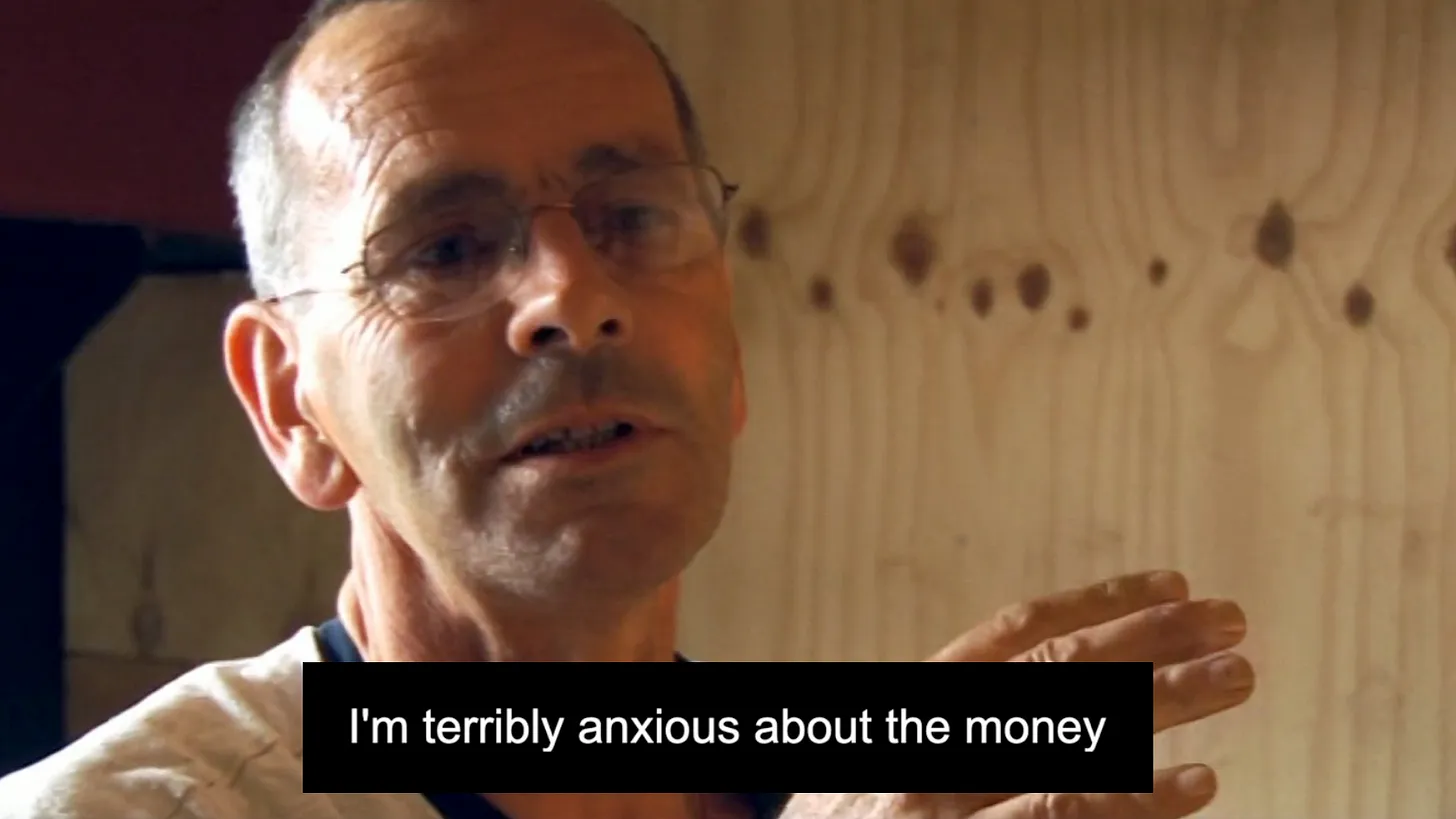
Money makes people anxious.

People?

How many people?

Anxious?

How anxious?

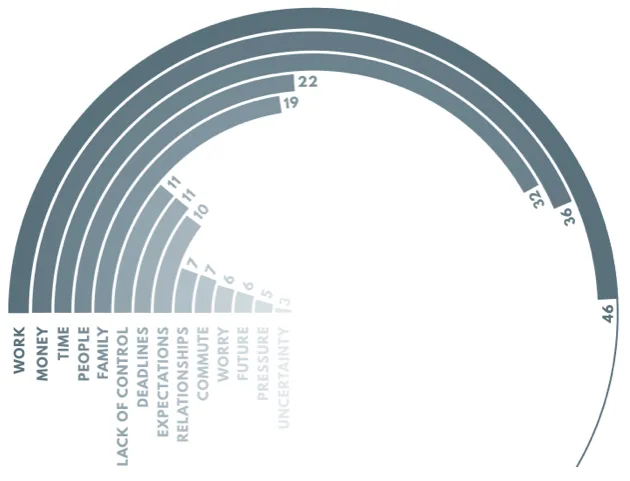
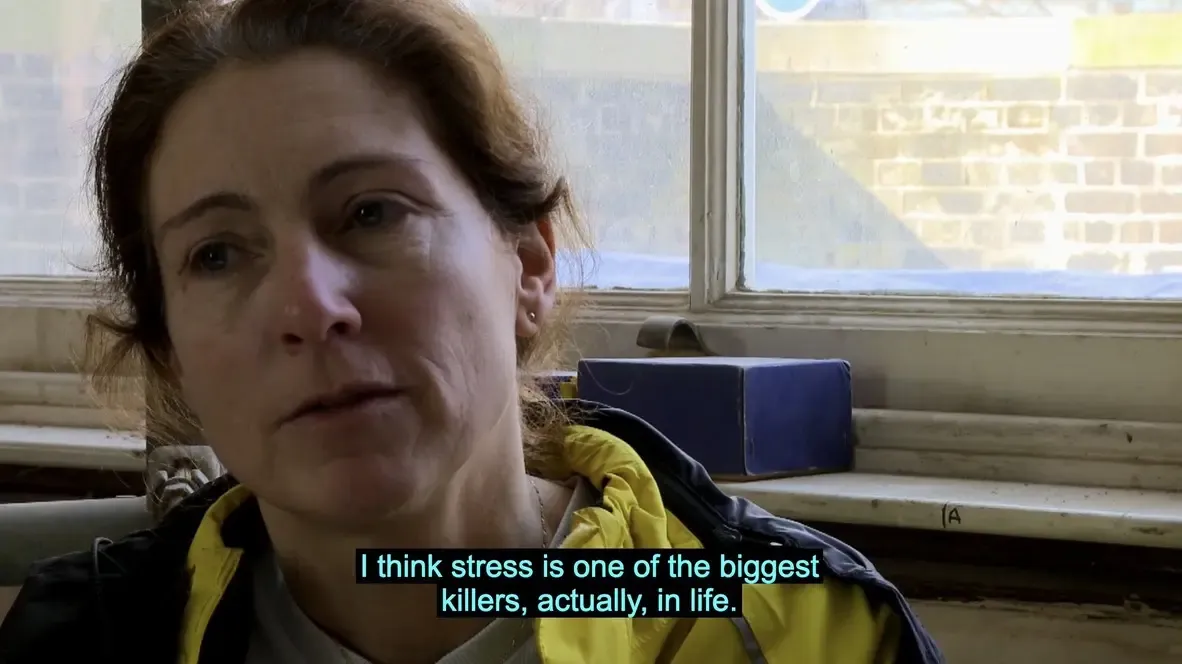
Money ranks 2nd on the “things that make people the most stressed” list.

It’s only beaten by “work”.

And if you dig a bit deeper into “work”, you find the largest percentage of people who stress about work are stressed about the “money” side of work.

//

I could go deep into the psychological factors at play here (and it’s a crazy cocktail of factors _ I’ll add them to the “things that didn’t make it” section at the bottom ↓), but I want to talk about one aspect in more detail.

this ↓

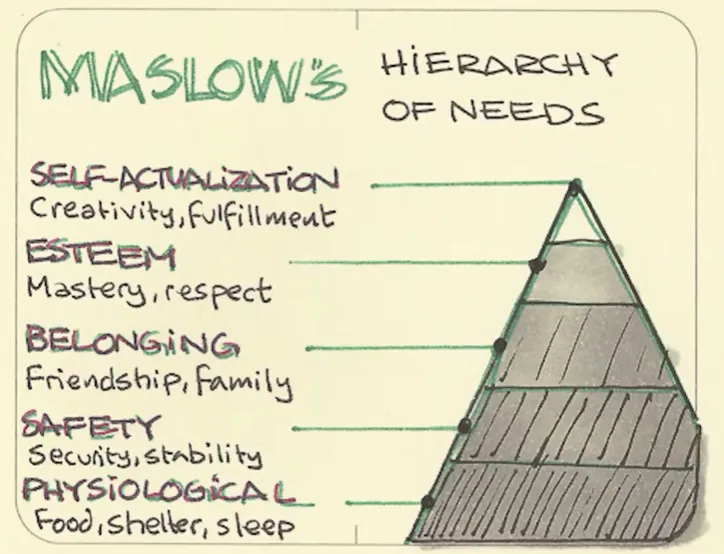
Maslow isn’t entirely correct (let’s leave that for another less interesting day), but if you look at this as a fairly accurate representation of our basic human needs_
_Money is the cause and solution to all of life’s problems.

The short version ↓ (2 mins 13 seconds)
The longer version⇲ (10 mins 12 seconds)

In summary,
we need money for_
_food, water, warmth and rest.

_belonging, love and self-esteem.

_self-actualisation.

//

END

//

PART

2

This compounds_

_because we are not taught about money.

And, if we are taught about Money, it tends to be dry and inaccessible (unless you were lucky enough to be taught by Errol).‍

The cycle_

The subject of Money is inaccessible and/or boring.

So, most of us don’t build an understanding of it.

Things we don’t understand, we can’t control.

Things we don’t control cause an incredible amount of stress.

We avoid things that cause us stress.

So we avoid the subject of Money.

And the cycle repeats.That’s just the way the human brain is wired.
Avoid pain at all costs.

And Money causes a lot of pain.

So we bury our heads in the sand.

//

END

//

PART

3

So, what now?

You cannot function if you are living in stress. Your mind will not let your body do it. Your nervous system is in shutdown mode. Your chest is tightened, your gut heavy. Your thoughts are dark. It ain’t gonna happen._because we are not taught about money.

Step 1_

B‍

Now that's done.
Step 2_

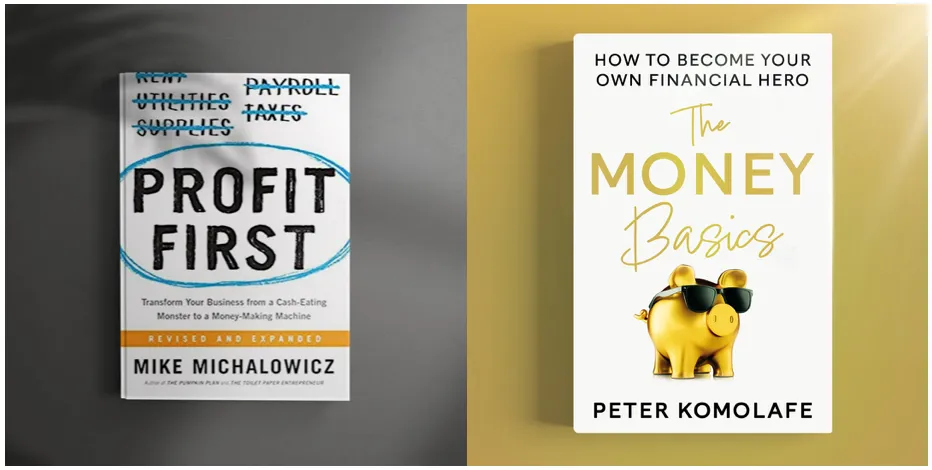
_learn about Money.
Step 3_

_talk about Money.

Your business capability is directly linked to your ability to openly and confidently discuss money, be that with your partners, your employees or your clients.

So, get comfortable talking about money.
Step 4_

_keep track of the Money.
What gets measured gets managed [&] what gets measured improves.


But only so much,

Measure enough to be useful.
Enough to understand.
Enough to talk about it.
Enough to take back control.
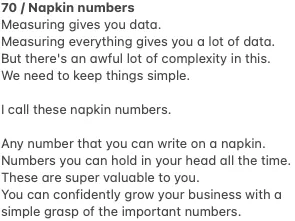
Enough to provide a pathway to solving the problem.
But fair warning.

Money does solve problems, but_
_it doesn’t buy happiness.

Money is a means to an end, but_
_not an end in itself.

After you’ve solved the money problem, the question changes.

Such a great question.

But if you’re still struggling with money, you never get to this in the first place.

And that’s a topic for another day.

- iain.

//

END

Things

that

didn't

make

it

when the outflow exceeds the inflow, then the upkeep becomes your downfall.
never throw good money after bad, and make your first loss your best loss.
Psychology 101

1. The Amplification Effect

Financial stress is uniquely powerful because it can simultaneously threaten multiple levels of the hierarchy. When someone says "I don't understand money" or "I have no control over my finances," they're expressing fear about their ability to survive and thrive.

2. Common Patterns

Many people experience this as a double bind: they feel they lack control over their income or expenses, while also feeling they don't understand concepts like investing, taxes, or economic forces. This creates learned helplessness around money - a sense that financial wellbeing is something that happens to them rather than something they can influence.

3. The Cascading Impact

When the foundation levels aren't secure, it becomes nearly impossible to pursue higher needs like self-actualisation or creative fulfilment. People stuck in financial survival mode often report feeling like they can't focus on personal growth or relationships because basic security feels so precarious.

4. Money as Identity and Status

Our relationship with money becomes deeply intertwined with our self-worth and social identity. People often equate their net worth with their personal worth, creating cycles of shame or pride that distort financial decision-making. This psychological fusion makes money conversations emotionally charged and rational planning difficult.

5. The Scarcity vs. Abundance Mindset

Early experiences with money create mental frameworks that persist into adulthood. Those who grew up with financial instability often develop scarcity thinking - hoarding resources, avoiding financial risks, or feeling guilty about spending. Conversely, those with abundant childhoods may struggle with establishing boundaries and planning for the long term.

6. Emotional Spending and Financial Coping

Money becomes a tool for managing emotions rather than just meeting needs. People spend to feel better, gain control, express love, or avoid difficult feelings. Shopping therapy, impulse purchases, and lifestyle inflation often serve psychological functions that have little to do with actual financial goals.

7. The Comparison Trap

Social comparison regarding money often leads to perpetual dissatisfaction. We measure our financial success against others, often comparing our behind-the-scenes reality to others' highlight reels. This relative thinking makes people feel poor regardless of their actual wealth level, driving overconsumption and financial anxiety.

8. Time Horizon and Present Bias

Our brains are wired to prioritise immediate rewards over future benefits, making long-term financial planning psychologically challenging. The abstract nature of retirement or compound interest feels less real than the immediate pleasure of a purchase, leading to systematic underinvestment in the future.

9. Money Scripts and Inherited Beliefs

We inherit unconscious beliefs about money from our families and cultures - "money is the root of all evil," "rich people are greedy," "there's never enough." These money scripts operate below conscious awareness, influencing our financial behaviour in ways we don't recognise. Identifying and updating these beliefs is crucial for financial well-being.